Library Leadership
Choosing Progress Over Perfection
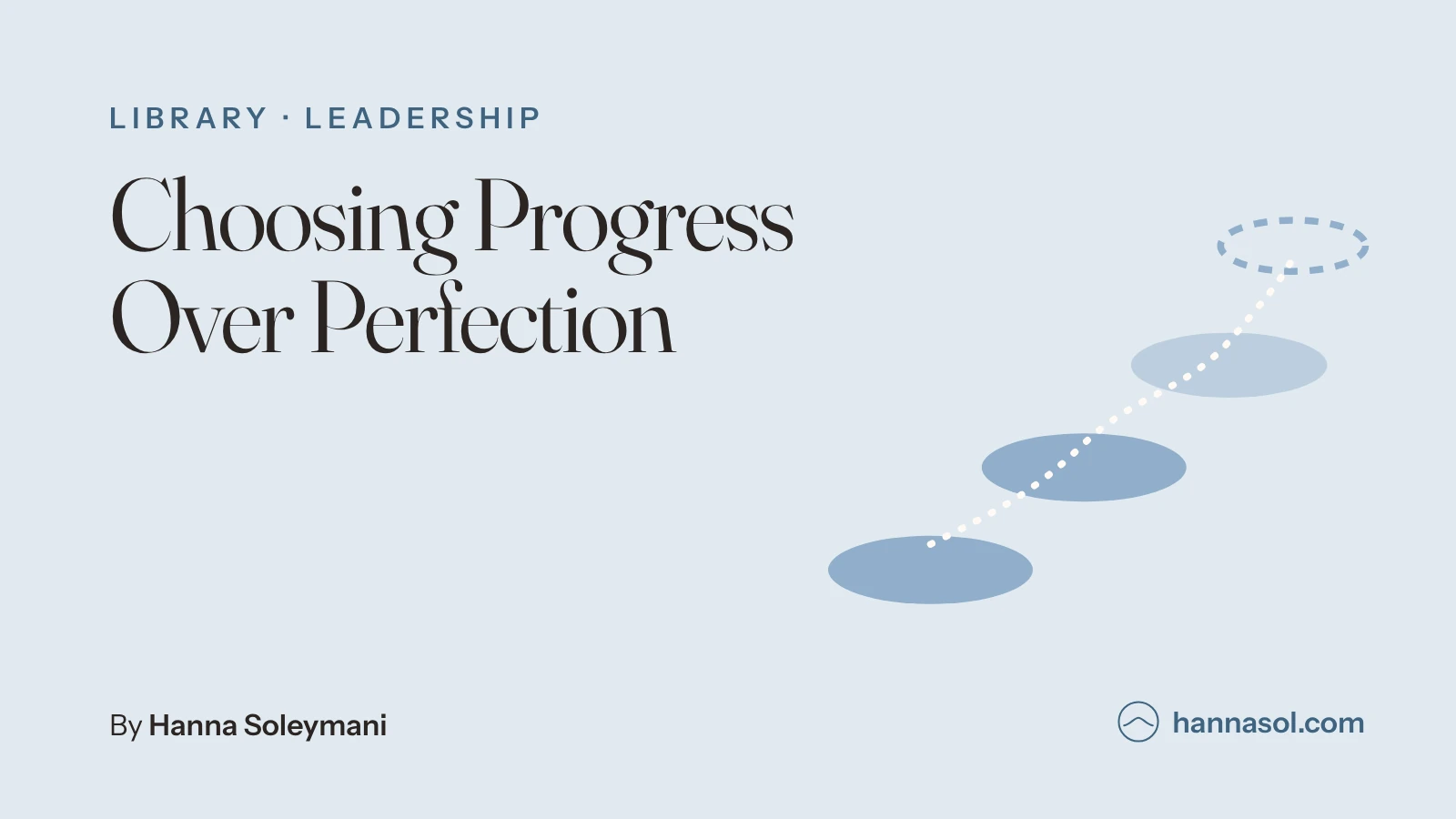
In my last article, where I explored perfectionism and procrastination, I came across a fascinating idea that really caught my attention: the difference between perfectionism and progressivism. I thought it deserved its own spotlight, so let’s dive into it together through an easy and relatable example.
First, let’s clearly define these concepts:
- Perfectionism involves setting extremely high and rigid standards, with a fear of making mistakes.
- Progressivism involves setting realistic, flexible goals and focusing on continuous improvement and learning (source: Harvard Business Review).
Imagine someone who loves painting. A perfectionist wants their painting to be flawless from the very first stroke. Every color, every line must be perfect, or they feel disappointed and frustrated. They spend hours correcting tiny mistakes, often feeling stressed and unhappy. Sometimes, they don’t even finish their paintings because they don’t meet their incredibly high standards.
On the other hand, a progressive person who also loves painting approaches it differently. They start painting with excitement, knowing they might make mistakes along the way. Rather than getting upset, they see each error as a chance to learn something new. They enjoy experimenting with colors and techniques, happily correcting and improving their work as they go. This approach keeps them motivated and satisfied because they focus more on learning and enjoying the creative process rather than being perfect right from the start.
Research has shown that perfectionism has several negative impacts. It is strongly linked to depression, anxiety, social isolation, and various types of obsessive behaviors. Perfectionism also impairs our cognitive abilities by triggering repetitive negative thoughts, known as rumination. Rumination is when we continuously think about our mistakes or shortcomings, repeatedly reviewing them and causing ourselves unnecessary distress. In contrast, progressivism can reduce these negative impacts by promoting a healthier mindset, where mistakes become valuable lessons rather than reasons for distress (source: Psychology Today).
Here are the definitions and key differences clearly summarized:
| Aspect | Perfectionism | Progressivism |
|---|---|---|
| Definition | Setting extremely high and rigid standards, with a fear of making mistakes. | Setting realistic, flexible goals and focusing on continuous improvement and learning. |
| Approach to mistakes | Views mistakes as failures leading to stress and frustration. | Views mistakes as valuable opportunities for growth and learning. |
| Focus | Results must be flawless immediately. | Enjoys the process and gradual progress. |
| Emotional outcome | Anxiety, dissatisfaction, often demotivating. | Joy, satisfaction, and increased motivation. |
How to shift from perfectionism to progressivism
- Set flexible goals (source: Harvard Business Review)
Instead of rigid targets, adopt flexible milestones that allow adjustments and learning along the way. - Practice self-compassion (source: Kristin Neff, self-compassion researcher)
Replace harsh self-criticism with kindness and understanding, recognizing mistakes as part of the human experience. - Reframe mistakes as learning opportunities (source: Carol Dweck, growth mindset research)
Train yourself to see errors not as failures but as valuable feedback that enhances your skills and resilience. - Engage in mindfulness (source: Psychology Today)
Mindfulness can help reduce rumination by promoting present-moment awareness and preventing excessive worry over past mistakes.
Shifting your mindset from perfectionism to progressivism isn’t about lowering your standards; it’s about approaching goals in a healthier, happier, and ultimately more productive way.
So, next time you find yourself facing a task, ask yourself: am I aiming for perfection or embracing progress? I’d love to hear your experiences: do you lean toward perfectionism or progressivism, and why?
First published on Medium, 1 April 2025.Read on Medium